The Michelle Carter and Conrad Roy Case
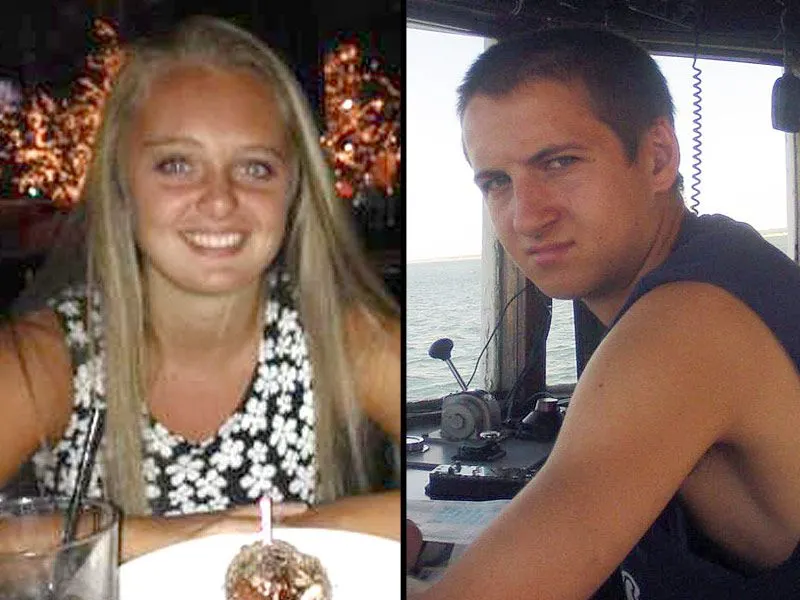
In July 2014, 18-year-old Conrad Roy III died by suicide in Fairhaven, Massachusetts. He parked his truck behind a Kmart store, attached a hose to the exhaust pipe, and died from carbon monoxide poisoning. Roy had a documented history of mental health issues, including depression, anxiety, and prior suicide attempts.
His girlfriend, Michelle Carter, then 17 and from Plainville, Massachusetts, became central to the case. The pair had met in 2012 while both were receiving treatment in Florida. Their relationship was mostly long-distance, conducted primarily through thousands of text messages, phone calls, and social media. They met in person only a handful of times.
The Text Messages and Final Hours
Investigators recovered extensive text exchanges showing that Carter repeatedly encouraged Roy to kill himself in the days and hours leading up to his death. Roy expressed hesitation multiple times, but Carter pushed him forward.
Key examples from court documents include:
- Carter: “You can’t keep doing this every day. You just need to do it like you did the last time and not think about it and just do it, babe.”
- Carter: “You already made this decision and if you don’t do it tonight you’re gonna be thinking about it all the time… You’re finally going to be happy in heaven.”
- When Roy got out of the truck because he was scared as the carbon monoxide filled it, Carter told him over the phone to get back in.
After Roy’s death, Carter texted friends claiming she had been on the phone with him and instructed him to return to the truck. She also expressed to some friends that she could have stopped him but chose not to. Prosecutors argued these actions showed wanton and reckless behavior.
Carter later told friends she felt her actions made her stronger or gave her attention, contributing to the narrative that she sought sympathy and drama.
Roy left suicide notes for his family and Carter, expressing love and his struggles.
Investigation and Charges
Authorities discovered the texts months after Roy’s death. In February 2015, Carter was charged with involuntary manslaughter. The case was unusual because it relied almost entirely on words—texts and a phone call—rather than physical assistance.
The Trial (2017)
Carter, tried as a juvenile, opted for a bench trial (judge only, no jury). In June 2017, Judge Lawrence Moniz found her guilty of involuntary manslaughter. He emphasized the moment she told Roy to “get back in” the truck as crossing the line into criminal recklessness.
In August 2017, she was sentenced to 2½ years in prison, with 15 months to serve and the rest suspended, plus five years of probation. She remained free during appeals.
Appeals and Imprisonment
The Massachusetts Supreme Judicial Court upheld the conviction in 2019. The U.S. Supreme Court declined to hear her appeal in 2020, rejecting First Amendment arguments that her words were protected speech.
Carter began serving her sentence in February 2019. She was denied parole in September 2019. Due to good behavior credits, she was released on January 23, 2020, after serving about 11 months and 12 days.
Her probation ended on August 1, 2022.
Current Status (as of 2026)
Michelle Carter, now 28–29 years old, has maintained an extremely low public profile since her release. She has not spoken publicly about the case, granted interviews, or profited from it (a condition during probation). She was last publicly photographed in 2022 doing yard work at her family home in Plainville. No confirmed updates on her life, career, or whereabouts have emerged in recent years.
Media and Cultural Impact
The case raised significant debates about:
- The limits of free speech in the digital age.
- Criminal liability for encouraging suicide.
- Mental health, teen relationships, and social media’s role.
It inspired:
- HBO documentary I Love You, Now Die (2019).
- Hulu series The Girl from Plainville (2022), starring Elle Fanning as Carter.
- Various 48 Hours and other true-crime episodes.
Broader Context
Roy’s family expressed profound grief and anger. Carter’s defense highlighted her own mental health struggles and claimed Roy was determined to die regardless. The judge acknowledged Roy’s independent intent but ruled Carter’s actions constituted causation in his final moments.
This remains a landmark case in U.S. law regarding “texting suicide” or assisted suicide via communication. Similar cases have followed, but Carter’s was among the first and most prominent.
The story of Conrad Roy and Michelle Carter is a tragic intersection of mental illness, toxic digital communication, and the blurred lines of responsibility. It continues to serve as a cautionary tale about the power of words.